Synthetics
A journey to the heart of the mineral world.
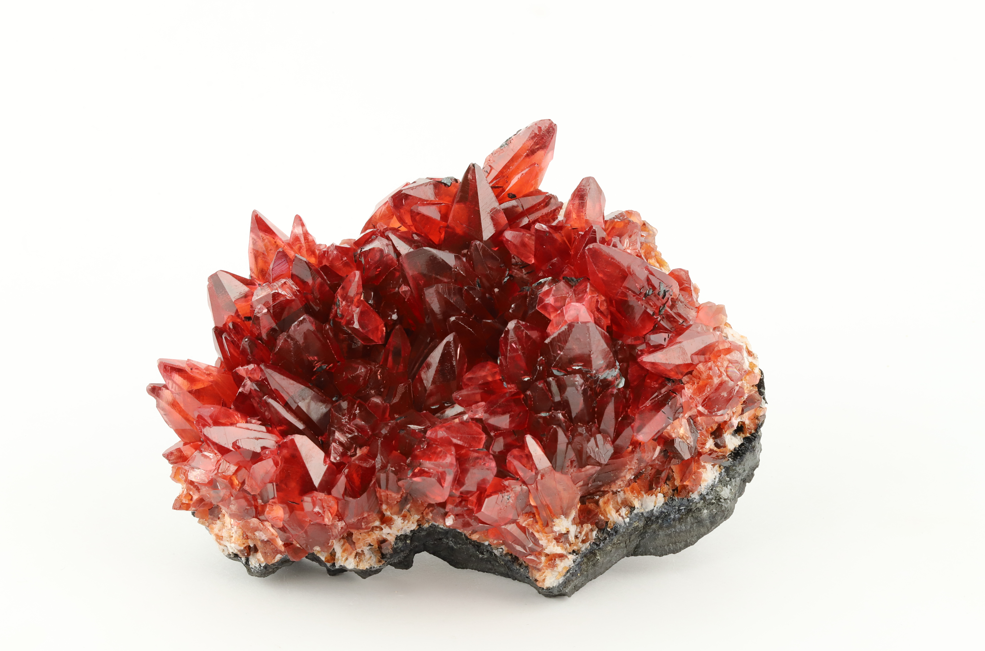
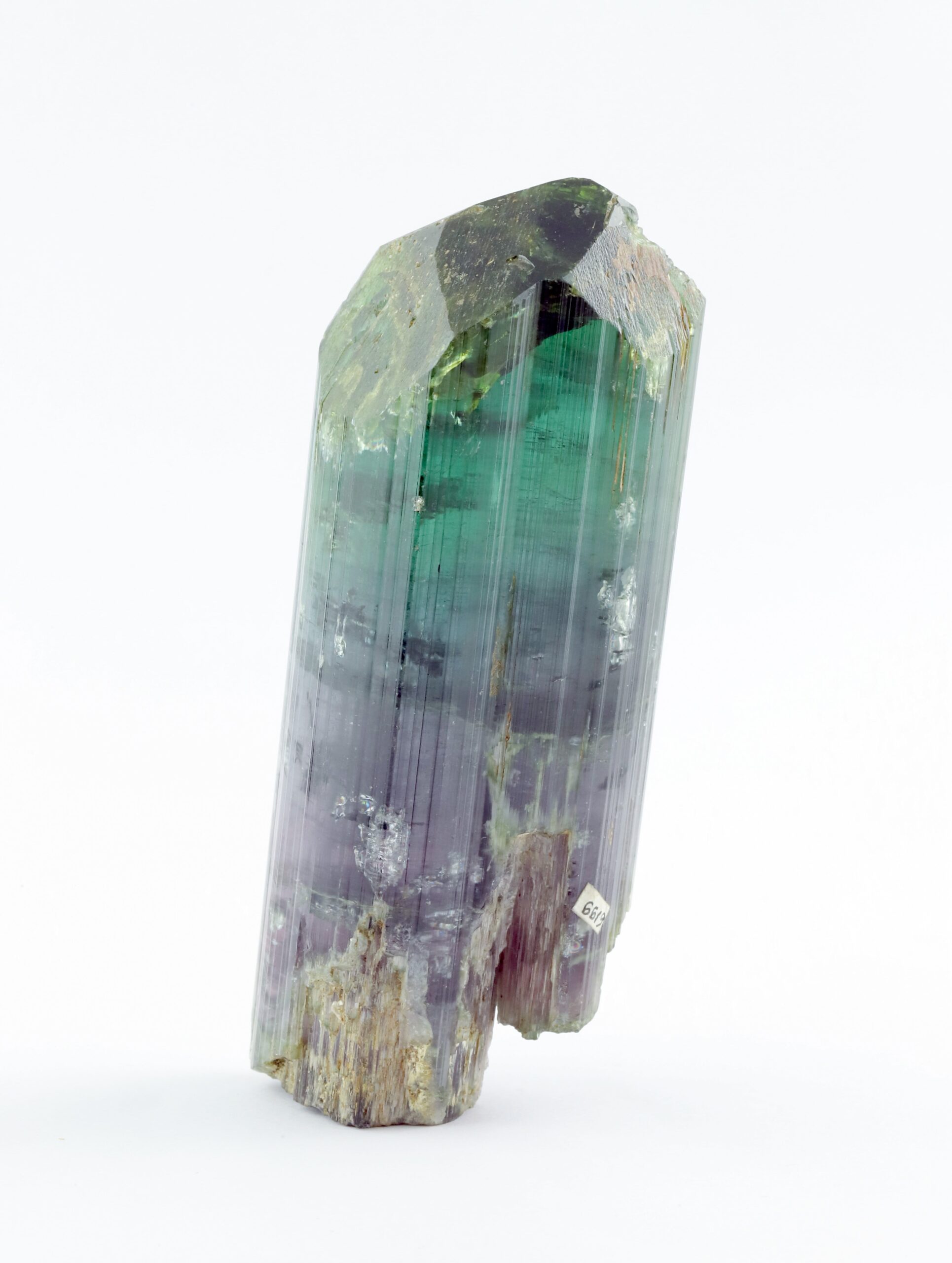
Minerals are the pillars of the museum’s collection, gathered at the end of the 18th century to train mining engineers. With several tens of thousands of samples, the collection covers all known mineral families, with specimens that are emblematic for their crystalline quality, rarity or historical origin.
Large showcases display spectacular pieces from old French mines, European deposits and iconic sites around the world. Classified according to a rigorous scientific logic, the collection is both an educational tool, an exceptional heritage and a wonder for all visitors.
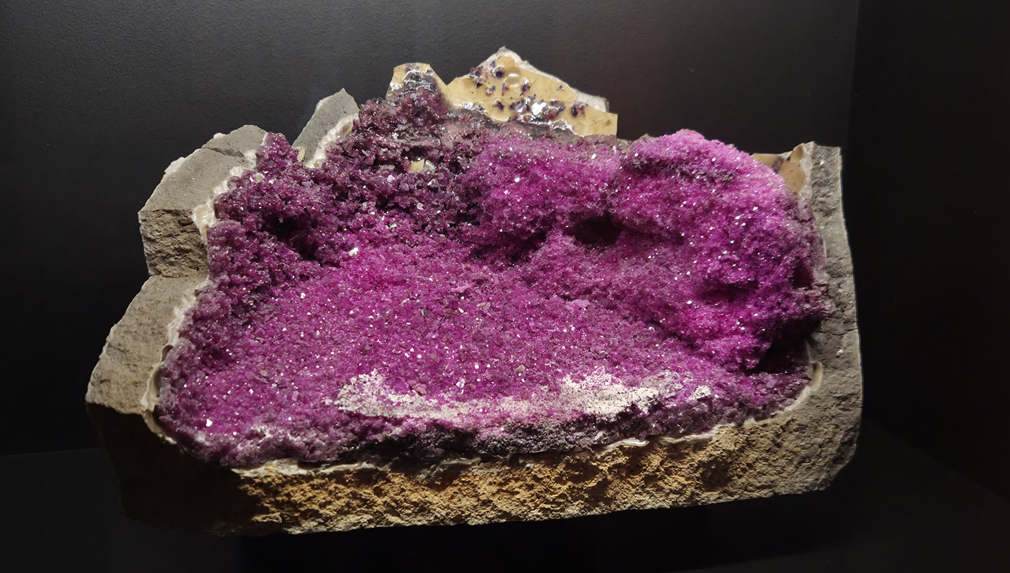
The “minerals” created by humans
With nearly 4,500 samples on display and more than 100,000 in its collections, the Museum has one of the world’s largest mineral collections. In the gallery are exposed 832 different species of minerals: make time for your visit!
The collection has a scientific value of course, especially with what are called types: the first samples of a species that was discovered, sometimes more than 250 years ago!
But beyond this scientific value, the samples also have a historical value: great names in mineralogy have worked in the collections, and we have passed on this legacy to this day. We can for example name the Abbé René Just-Haüy, the first curator of the Museum and discoverer of the 7 crystalline systems.
Where do the minerals in the collection come from?
The provenance of samples is very diverse, and reflects the evolution of the Museum and the Ecole des Mines throughout history. The first samples were brought by teachers during the creation of the École des Mines in 1783. Subsequently, the collection was enriched by trips and expeditions led by students and teachers of the school around the world. The nineteenth is the most prosperous period, with returns of shipments, exchanges, purchases and bequeathals of collections, but also sometimes confiscations during the revolutionary periods! Since 2011, the Museum has only added to its collection through donations, about fifty samples per year.
The classification of minerals
Within the Museum, the Strunz classification (give a little detail) was chosen: minerals are divided into ten distinct families, classified according to their chemical compositions and crystalline systems. Thus, the distribution of samples in the Museum follows this classification: each room of the Museum hosts a different family: it allowed students of the time to visualize in a simple and fun way the classification of minerals, just by browsing the gallery!
Remarkable minerals
Some of the Museum’s samples are considered to be among the most beautiful on the planet, either by their origin or their historical value: find some of them below For the most curious, we invite you to come and discover others within the Museum!