
Retour d’expérience du Hackathon Paris Challenge 2025 / Interview de Manon Lautru
In the sustainability sector, Nature-Based Solutions (NBS) are increasingly recognized as effective approaches for conserving, managing, and restoring natural or human-altered ecosystems. They are not only used to complement traditional technology-driven solutions but are progressively emerging as viable alternatives. By nature interdisciplinary, NBS respond to societal challenges in a flexible and efficient way, delivering benefits for both human well-being and biodiversity. As such, they represent a key response to major 21st-century issues, including climate change, biodiversity decline, water resource management, and social equity.
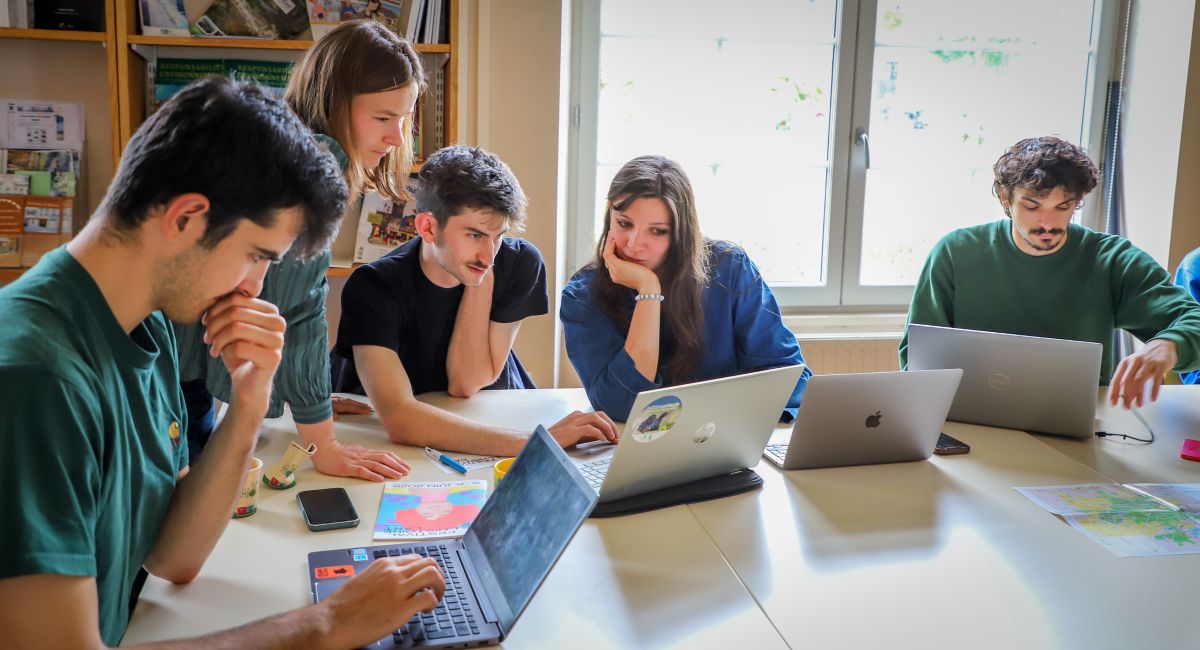
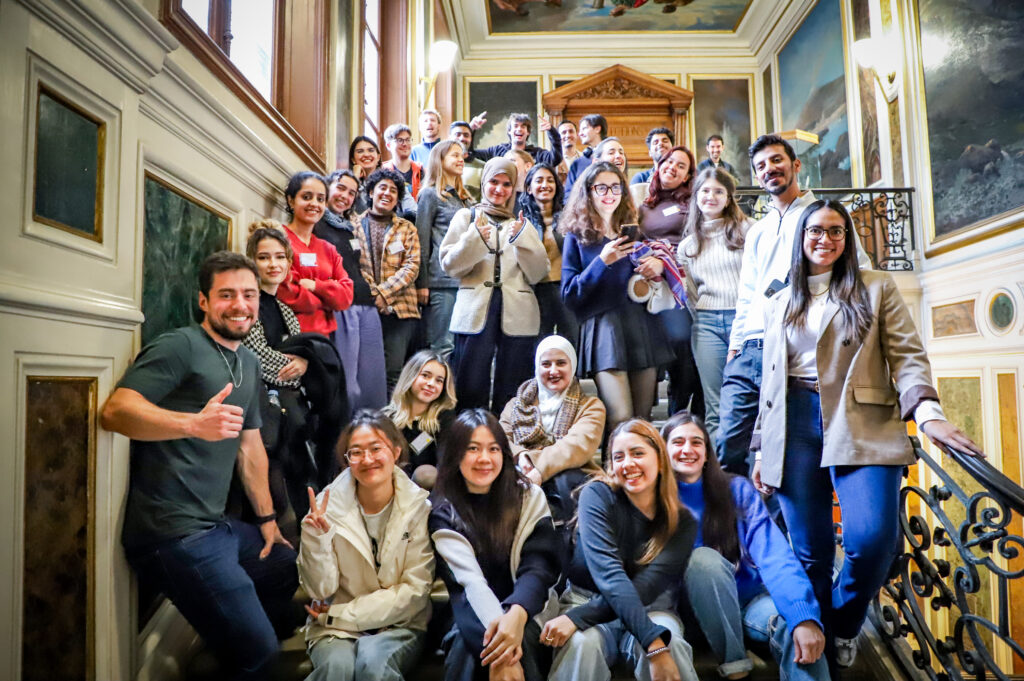
During this challenge, students from diverse countries and academic backgrounds—such as chemistry, geology, social sciences, economics, and urban planning—will collaborate in multidisciplinary teams. Their objective is to design and critically assess innovative Nature-Based Solutions aimed at enhancing urban environments. The case studies are drawn from real-world contexts, proposed by companies and municipalities or inspired by practical field situations.
What were your expectations for this week dedicated to ‘Nature-Based Solutions: Paris Challenge 2025’ ?
I wanted to deepen my understanding of biodiversity and how it fits into the ecological transition. I was also excited to work on something meaningful with international students.

What was your initial knowledge of the subject ?
I knew that biodiversity is essential because of the ecosystem services it provides. I also had a general idea that Nature-Based Solutions involve using natural processes to address climate challenges, but that was the extent of my knowledge.
Has your view on the subject changed ?
My view didn’t change, but it was definitely enriched. I didn’t know that NBS was a formal concept with precise criteria — especially regarding the social dimension.

What surprised you the most ?
What surprised me most was that I had never heard about NBS before, even though it is such an interesting and well-developed field. It’s a shame it isn’t more widely known.
What will you keep in your mind from this week ?
I will remember that NBS are real, practical tools that should be integrated into projects and prioritized over grey solutions. I will also adopt a more critical mindset about actions like tree-planting: now I will ask whether it truly addresses a societal challenge and restores biodiversity, rather than being done superficially.